Your radon test came back high. Now you have three mitigation quotes sitting on the kitchen table, and you have no idea which one to go with.
If you’re choosing a radon mitigation company, ask each contractor the same questions. The best radon mitigation company for your home should, at the very least, be able to explain:
Where the pipe will go
What the price covers
How you’ll know the work lowered your radon levels
Long-term exposure to radon gas raises the risk of lung cancer. The EPA recommends fixing homes at 4 pCi/L or above and considering mitigation between 2 and 4 pCi/L.
1. Who will design and install my system, and is the company certified?
Ask for the name of the person responsible for your job, and confirm that at least one person at the company is certified. You can check with two national radon proficiency programs, the National Radon Proficiency Program (NRPP) and the National Radon Safety Board (NRSB), to verify that their credentials are current and cover mitigation. Be sure to ask the mitigation company for proof of liability insurance, too. You can also check what your state’s requirements are to confirm your contractor meets them. See more details about Tennessee and other states from the Indoor Environments Association.
Red flag: A radon contractor says they’re certified but won’t give you a name or number you can look up. For more on what the credentials mean, see our guide to NRPP certification.
2. What will you install in my house, and why?
Before you sign, ask for an in-home assessment and have the contractor review your test results. A house with a basement under one half and a crawl space under the other may need a different approach from a house built entirely on a slab.
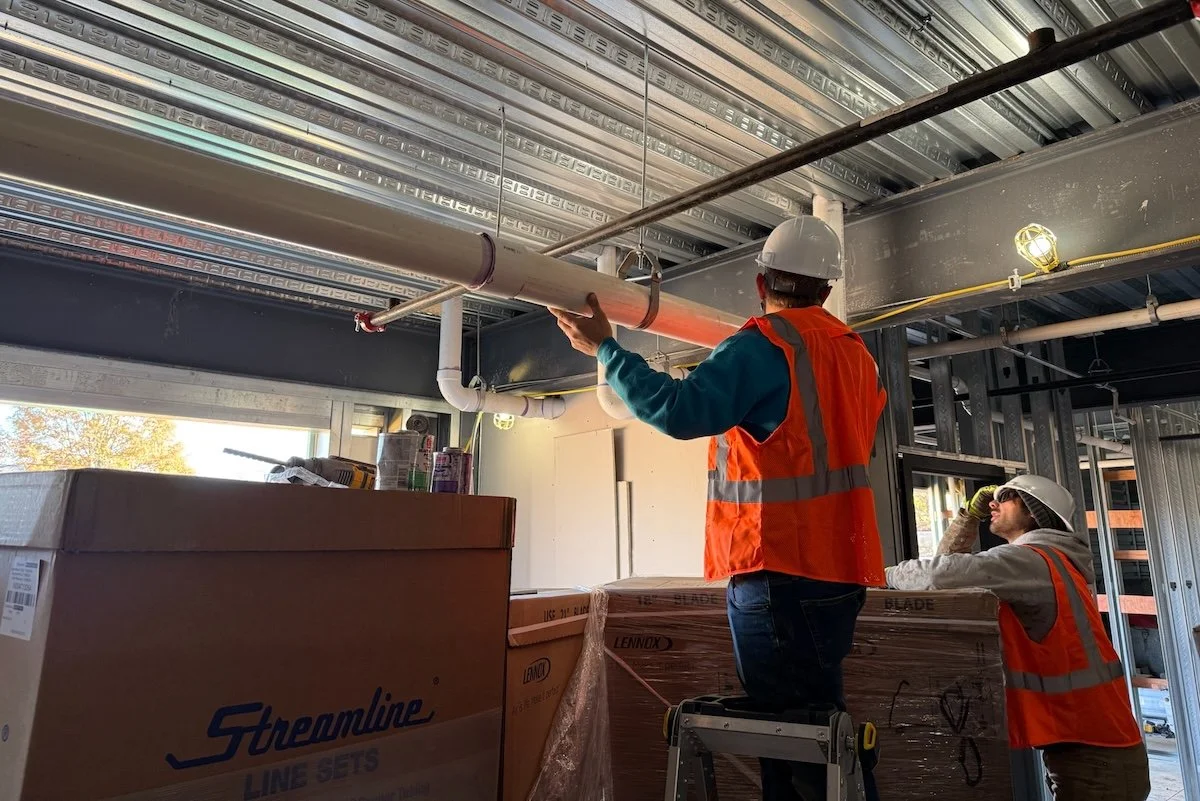
Contractors experienced in installing radon mitigation systems should be able to show you where they’ll draw air from beneath the foundation, where the fan and vent pipe will go, and why that layout makes sense for your house. It’s easier to discuss the view from your front porch before anyone drills a hole.
See the EPA homebuyer’s and seller’s guide to radon.
Red flag: The company skips the in-home assessment and asks you to sign off on a fixed design anyway.
3. What’s included in the written quote, and can I see similar work?
Ask radon mitigation contractors to spell out what’s included in their radon mitigation services. Check for the fan, piping, any needed crawl space sealing or electrical work, and follow-up testing. For more involved system installs, ask what could change the price and how the company will get your approval before doing extra work.
Ask for references from recent radon mitigations in homes like yours. If the company keeps customer contact details private, ask for photos of similar installations and anonymized before-and-after results. A photo can show you how neatly the pipe was routed. The test report tells you what happened to the air.
Red flag: The company won’t put the scope in writing or share references or examples of comparable work. See the EPA consumer guide to radon reduction.
4. What does the warranty cover, and for how long?
Get the warranty in writing and check whether it covers parts, labor, or both. Also ask whether the company guarantees a specific level of radon reduction, what happens if a follow-up test misses that target, and whether coverage transfers if you sell the house.
Red flag: The proposal says “warranty included” but leaves you guessing how long the warranty is or who pays for a return visit.
5. Who will test after installation, and is that included?
Ask who handles post-installation radon testing, what it costs, and when you’ll get the results. EPA recommendations call for starting the follow-up test after the radon mitigation system has run for at least 24 hours and testing within 30 days of installation. An independent tester can verify the result.
Ask the installer to show you how to read the manometer, too. The gauge shows whether the system is creating suction. A radon test measures the radon in the air you breathe. Over the long term, the EPA advises retesting at least every two years.
Red flag: The installer considers the job verified just because the fan runs and leaves you without a plan to retest.
Comparing Radon Mitigation Companies in Middle Tennessee?
At The Radon Guys, our NRPP-certified team assesses your home on-site, discusses where the system will go, and provides upfront pricing. We back our installations with a three-year warranty (10 years for the fan) and can arrange independent, qualified radon post-installation testing for a separate fee. Learn more about our Nashville radon mitigation services.
Bring your test results, your questions, and even the other quote. Contact The Radon Guys for a free consultation.