Can Slab Foundations Have Radon? Yes — Here’s How
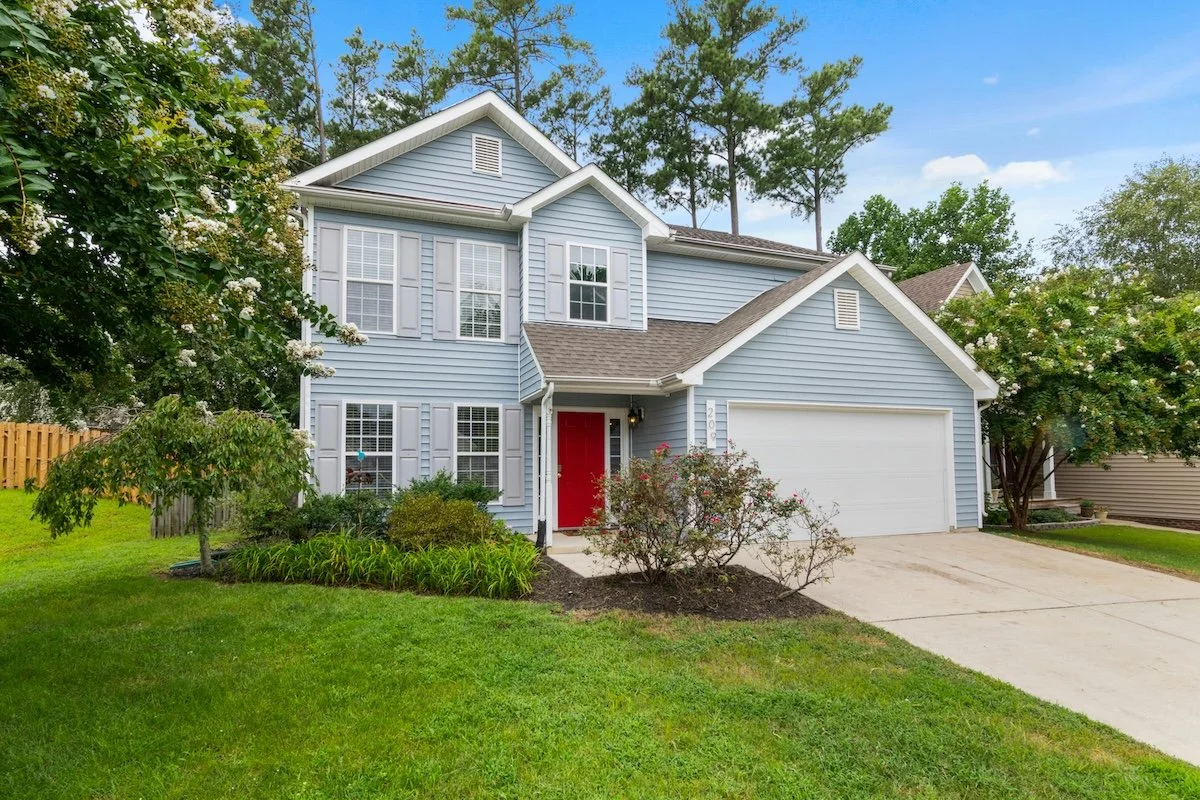
Radon has a reputation as a basement problem, so if your home is built on a concrete slab, it's easy to assume you're off the hook. You don’t have a basement, so you don’t need to worry about radon, right? Not quite. It’s one of the most common misconceptions we run into here in Middle Tennessee, where slab-on-grade construction is common due to our rocky soil.Homes built on slab foundations are just as susceptible to radon as those on other foundation types. In fact, radon can build up beneath the slab and move inside through small cracks, joints, and openings around plumbing or utility penetrations.
So, can slab foundations have radon gas? Absolutely — and often at levels that require mitigation.
Is Radon Testing Needed for a Slab Foundation?
The answer is absolutely yes. And honestly, slab homes might need it more than other types of homes.
Without a basement or crawlspace acting as a buffer, radon entering through the slab goes straight into your living space. There’s no “downstairs” for it to hang out in first, and over time, it can accumulate to levels that pose a real health risk. In fact, the EPA lists radon as the second leading cause of lung cancer behind smoking.
Because radon is invisible, odorless, and tasteless, the only way to know if it’s in your home is to test for it. The EPA's action level is 4.0 pCi/L, and anything at or above that number calls for mitigation.
How Radon Gets Into a Slab Home
Radon is a naturally occurring gas that comes from soil as uranium breaks down. People often picture slabs as one big, impenetrable sheet of concrete. In reality, every slab has openings, and radon is really, really good at finding them.
Common entry points include:
Cracks in the concrete. Even hairline cracks are enough for radon to seep through. And slabs crack over time.
Expansion and control joints. These are intentional gaps built into the slab to allow for natural movement. Great for structural integrity, not so great for keeping soil gases out.
Plumbing and utility penetrations. Anywhere a pipe or utility line passes through the slab, there’s a gap around it. Even well-sealed penetrations can let radon through.
The slab-to-wall joint. The seam where your slab meets the exterior walls is another sneaky entry point.
Even a well-built home can develop tiny openings over time as materials settle and shift. Once that happens, radon gas can start entering your home without any visible warning signs.
How Radon Mitigation Works in Slab Construction
The good news: slab homes are absolutely mitigatable. A properly designed radon mitigation slab foundation system can reduce radon levels effectively without major disruption.
In most slab homes, mitigation is done through sub-slab depressurization. This method creates suction beneath the concrete slab and redirects radon gas outside before it can build up indoors. The system usually includes a suction point drilled through the slab, PVC piping, and a fan that pulls soil gases up and away from the home.
The result? Radon is intercepted beneath the slab and routed outside long before it can reach your indoor air. You can read more about how sub-slab systems work here.
What Installation Looks Like in a Slab Home
We get it — the idea of drilling into your foundation sounds intense. But a sub-slab radon system is far less invasive than most people expect. Experienced radon professionals, like The Radon Guys, know how to design systems for homes built on a slab. When we’re done, the system is discreet, quiet, and built to last.
Without a basement or crawlspace, the system layout must be planned differently. Depending on the house, the suction point may be installed in a garage, closet, utility room, or another practical location. Vent piping is then routed through the home or along an exterior wall to keep the system effective while minimizing visual impact.
Professionals like The Radon Guys can sometimes eliminate the need to drill a suction point inside the home by drilling horizontally from the exterior to access the aggregate layer beneath the slab. In cases where this is possible, we don’t need to install piping in your home’s interior.
That is why experience matters. With over 15 years of radon experience, The Radon Guys specialize in residential radon mitigation for a range of home types, including slab-on-grade construction. Slab homes often require a customized approach, and that is why every installation from The Radon Guys is tailored to your specific home. We evaluate your slab, soil conditions, home layout, and radon levels to design a system that works for you.
Don’t Let a Slab Fool You
Even without a basement, slab homes can trap radon beneath the foundation and allow it inside through cracks and gaps. The Radon Guys specialize in mitigation systems designed specifically for slab construction, helping homeowners lower radon levels without disrupting the home's structure. Every install is backed by our industry-leading 10-year warranty, and we’re NRPP-certified, licensed, insured, and bonded – all things you want when someone is working on your house.
If your slab home has elevated radon levels, the next step is to schedule a consultation and have a system designed for your foundation type. Schedule a free consultation today, and let’s build a mitigation system that’s right for your foundation.