Is Your Sump Pit Letting Radon into Your Home?
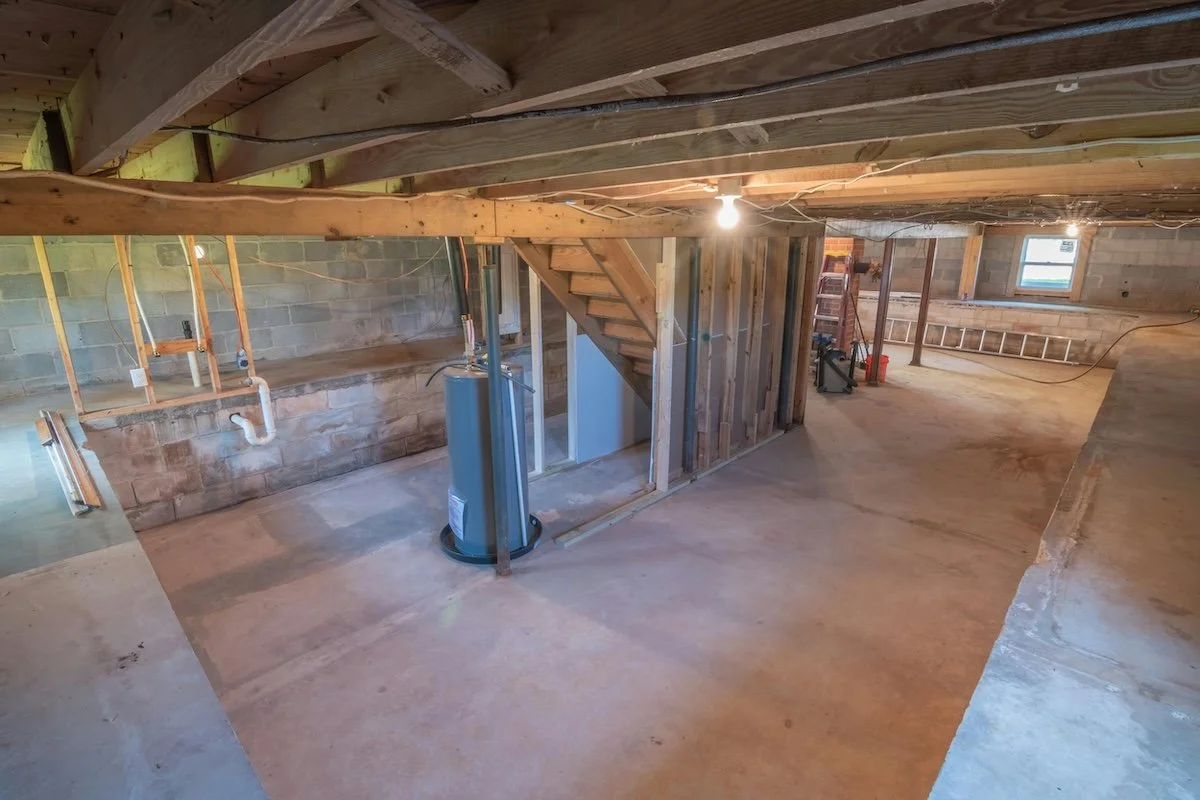
If you have a basement, you likely view your sump pump as a silent guardian against flooding. It sits in its pit, waiting for a heavy rain to do its job. However, there is a hidden side to that hole in your floor. For many homeowners, an open or improperly sealed sump pit is the primary "open door" for radon gas to enter the living space.
Understanding the relationship between your sump pump and radon is essential for maintaining a healthy indoor environment. While the pump handles the water, the pit itself can become a direct conduit for soil gases that you definitely don't want to breathe.
Does Radon Come Through the Sump Pump?
The short answer is no. The mechanical pump doesn't produce the gas. However, the sump pit, the hole the pump sits in, is a different story. A better question would be does radon come through sump pump pits? To understand this, we have to look at the ground beneath your foundation.
The Geological Chain Reaction
Radon is a byproduct of the Earth’s natural composition. The process begins deep underground with the radioactive decay of uranium. As uranium breaks down over billions of years, it transforms into radium, which then decays into radon gas.
Because radon is an "inert" gas, it does not chemically bond with the soil. It remains mobile, moving through the complex, porous matrix of soil particles and air pockets with ease. Several factors influence how quickly this gas reaches your foundation, including soil permeability (gravel and sand are express lanes) and moisture content.
The Vacuum Effect: Why Your Home Sucks in Radon
The most critical part of the radon story is the pressure relationship between your home and the earth. Under normal conditions, your home acts like a giant vacuum, actively pulling gases out of the soil through a phenomenon called the stack effect.
To understand this, view your home as a giant chimney. As warm air rises through your home and exits through upper levels or the attic, it creates a vacuum at the lowest point—the basement. This suction is further intensified by:
Mechanical Exhaust: Kitchen fans, bathroom vents, and clothes dryers all pump air out of the house, creating a slight negative pressure inside.
The Stack Effect: Warm air rising through the home creates a suction at the lowest level.
Wind Loading: High winds blowing across a roof can create a "venturi effect," effectively pulling air out of the house.
Because of this pressure imbalance, your home acts like a giant vacuum, actively sucking gases out of the soil through any available opening.
The Sump Pit: A Breach in the Structural Envelope
In building science, the "envelope" is the barrier between your home and the environment. Your concrete slab is a major part of this envelope, but a sump pit is a deliberate, massive hole in that barrier. While it serves a vital purpose for water management, from a gas-mitigation perspective, it is a structural vulnerability.
Why the Pit is the Path of Least Resistance
Radon gas will always take the easiest route to satisfy the pressure vacuum created by your home. While the gas might struggle to permeate through several inches of solid, poured concrete, it faces zero resistance when it reaches an open sump pit.
Furthermore, sump pits are often installed sitting in a bed of drainage gravel. This gravel is intentionally porous to allow water to flow easily into the pit. Unfortunately, what is good for water is also "good" for radon. The gravel bed acts as a collection chamber, gathering radon from a wide area under the slab and funneling it directly to the sump pit opening.
The High-Flow Entry Point
In many homes, the radon entering through a single unsealed pit can account for more than 90% of the total radon concentration. Even if you have meticulously sealed every visible crack in your basement floor, an unsealed pit can negate all those efforts.
Why Standard Sump Covers Aren't Enough
Many builders install a basic plastic cover to keep debris out. Unfortunately, these are rarely airtight and don’t reduce radon. To effectively prevent radon, you need a radon mitigation system sump pump configuration.
Without a hermetic seal, radon isn't just a basement issue. The same "chimney effect" that pulls the gas in will eventually carry it into the upper floors and through your HVAC system, turning a utility room problem into a whole-house health concern.
By installing a sealed, bolt-down radon cover, you effectively cap the chimney at its base, forcing the house to look elsewhere for makeup air and keeping the soil gases trapped where they belong, under the slab.
Signs Your Sump System is a Radon Liability:
The pit is completely open: No lid at all is a major red flag.
The lid is loosely fitted: If you can see gaps or lift it easily, gas is escaping.
Unsealed pipe penetrations: Even with a lid, if the discharge pipes aren't sealed with rubber grommets, radon will leak through the gaps.
A Drying Pit: If the soil around the pit is dry, it can allow gas to flow even more freely than in saturated soil.
How Radon Mitigation Systems Integrate with Sump Pits
When professionals install radon systems, they don't just ignore the sump pump. They turn it into a strategic advantage through a process called sub-slab depressurization.
1. The Sealed Sump Cover: A "special radon" cover made of heavy-duty polycarbonate is bolted to the floor with a permanent gasket. These are often transparent, allowing you to monitor the pump without breaking the seal.
2. Sub-Slab Depressurization: A professional will often use the sump pit as the "suction point." By inserting a PVC pipe through the sealed lid and connecting it to a specialized radon fan, the system creates a permanent vacuum under the slab, venting gas safely above the roofline.
3. Maintaining Drainage: To prevent flooding, professional systems use "Dranger" valves or one-way floor drains. These allow water on the basement floor to enter the pit but prevent radon gas from escaping into the room.
The Importance of Professional Mitigation
DIY solutions, like using spray foam or duct tape around a lid, are usually temporary. Radon levels can fluctuate, and a seal that looks "good enough" might still be leaking significant amounts of gas.
A professionally designed radon mitigation system ensures that your pump remains functional while the air you breathe remains safe.
Protect Your Air Quality
An open or improperly sealed sump pit can be a direct entry point for radon gas. The Radon Guys install mitigation systems that integrate seamlessly with sump pump systems, including sealed covers and sub-slab depressurization techniques that maintain proper drainage while lowering radon levels. If you suspect your sump system is contributing to elevated radon, contact us for a professional mitigation assessment today.