Radon in Well Water: What Homeowners With Private Wells Should Know
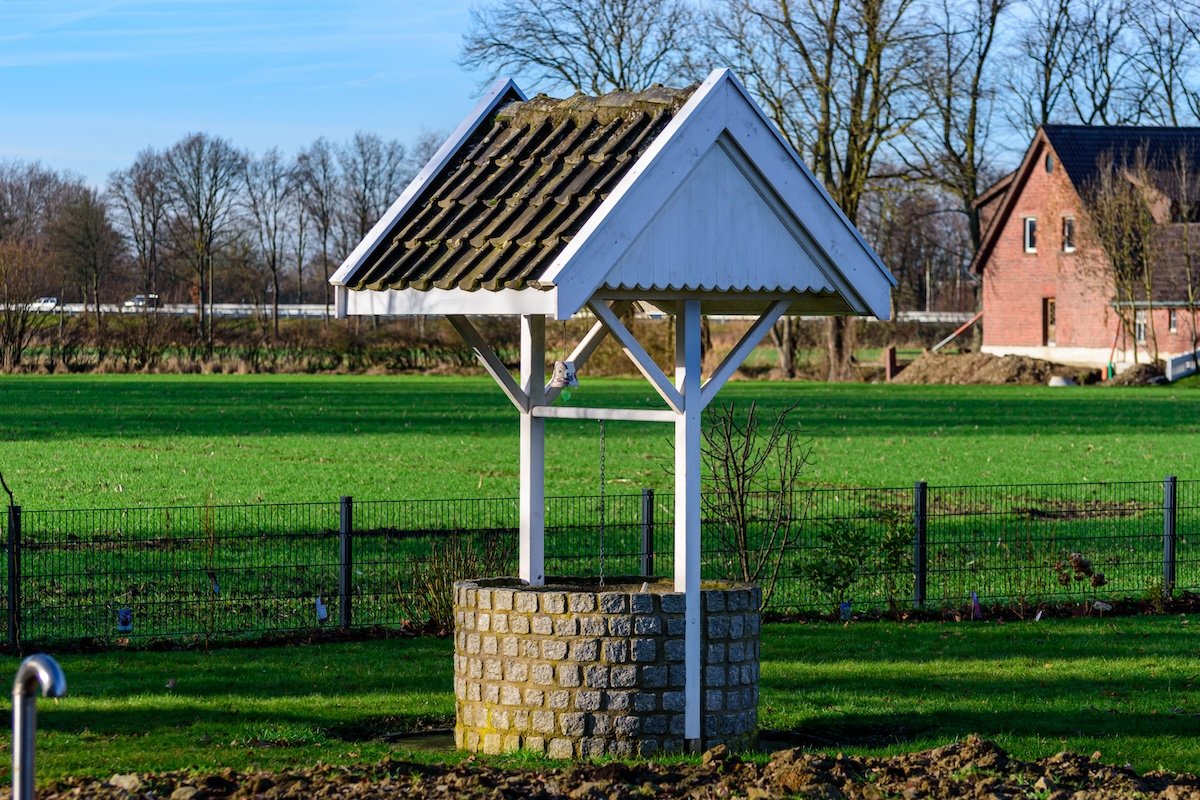
Most homeowners who think about radon picture it rising from the soil beneath a basement or concrete slab. That is usually where indoor radon comes from, but radon can also dissolve into groundwater and enter a home through a private well.
But is there radon in your well water? There could be, especially if you live in an area where groundwater moves through rock and soil containing uranium and radium. A water test is the only way to know for sure, though. Just as importantly, finding radon in your well may be a clue that the geology beneath your home is seeping radon gas into your indoor air.
How Radon Gets into Well Water
Radon is a radioactive gas produced during the natural decay of uranium in rock and soil. As groundwater moves through fractures and pores in those materials, radon can dissolve into well water. Because the water remains in close contact with the surrounding geology, deep wells drilled into bedrock are more likely to contain radon than surface water sources.
Radon that dissolves in water doesn’t remain in the water once it reaches your house. When the water is agitated or sprayed, the radon escapes into the air. Showering is a significant source of radon release, but washing dishes, doing laundry, flushing toilets, and running faucets can also spread radon from water into household air.
As a rough rule, every 10,000 pCi/L of radon in water may add approximately 1 pCi/L to the radon concentration in indoor air, although the actual transfer depends on water use, ventilation, house size, and other conditions.
Is Water That Contains Radon Dangerous to Drink?
Radon in drinking water creates two possible exposures: ingestion and inhalation. Ingestion may contribute to a small increase in the risk of internal cancers, particularly stomach cancer. The larger concern, however, is usually the radon released into the air and then inhaled.
When radon breaks down, its radioactive decay products can lodge in the lungs and damage tissue over time. Radon is the second leading cause of lung cancer overall and the leading cause among people who have never smoked. The risk is associated with long-term exposure rather than with an immediate illness after drinking a glass of water or taking a single shower.
In most homes, radon gas entering from the soil remains a greater threat to indoor air quality than radon released from water. That’s why a well-water result should be considered alongside indoor-air radon testing, rather than treated as a completely separate household issue.
How to Test for Radon in Well Water
If you think your well water might have radon, you should contact your state's drinking-water or radon program and use a laboratory-certified or approved test to analyze drinking-water samples. The lab will provide special collection vials and detailed instructions. Air testing devices cannot be used to test water.
How you gather your sample matters because radon begins to escape as soon as water is exposed to air. Although instructions vary, the process generally involves:
Collecting cold, untreated water from a faucet supplied directly by the well.
Removing screens, hoses, or aerators from the faucet.
Running the water long enough to obtain a fresh sample from the well, not water that’s been sitting in pipes or a pressure tank.
Filling the supplied vial gently, without splashing or trapping air.
Checking the sealed vial for bubbles and returning it to the laboratory promptly.
Follow the lab’s instructions exactly rather than improvising with a jar from the kitchen cabinet. Samples containing air bubbles may not produce a valid result because some of the radon may already have escaped.
What Radon Levels in Water Are Considered Elevated?
Unlike public drinking-water contaminants, which have official federal limits, there is currently no federally enforceable radon standard for private wells. However, in its proposed rule for community water systems, the EPA used two reference points:
A proposed maximum contaminant level of 300 pCi/L in states without an approved multimedia radon-reduction program.
An alternative level of 4,000 pCi/L where an approved program also addressed radon in indoor air.
The 4,000 pCi/L alternative reflects the EPA’s conclusion that soil gas generally contributes much more radon to household air than drinking water does.
These numbers are good reference points, but they’re not a regulation, and state recommendations may differ. You should review your results with your state health department, testing laboratory, or a qualified water-treatment professional.
While water and air results are both reported in pCi/L, avoid comparing them directly. Indoor air guidance uses much lower numbers. The EPA recommends mitigating a home when indoor radon levels are 4 pCi/L or higher and considering action between 2 and 4 pCi/L.
Can Radon Be Removed from Well Water?
Two point-of-entry treatment methods are commonly used to reduce radon before water is distributed throughout the house:
Aeration systems mix air with the water, separate the radon gas, and vent it safely outdoors. Aeration is generally the preferred approach for high water concentrations because it can achieve substantial radon reduction without storing the radioactive decay products inside a filter.
Granular activated carbon systems capture radon as water passes through carbon media. These systems may be simpler, but the filter can accumulate radioactive material and requires careful placement, maintenance, and disposal. Treatment should be designed for the measured concentration and your home’s water demand.
A qualified water treatment specialist or state-certified laboratory can help determine the appropriate system and establish a follow-up testing schedule.
Why You Should Test the Air Too
A water test is only part of the picture. Radon-rich groundwater and elevated soil radon can originate from the same uranium-bearing rock formations, so a positive water result tells you something about more than the plumbing. If your well water contains radon, it’s possible that your home’s foundation is also letting the gas in.
Because the structure, foundation, and pressure conditions matter, a high water result doesn’t automatically mean the home also has high air levels, but it does make indoor testing a logical next step.
If your indoor radon levels are elevated, a professional radon mitigation system can create negative pressure beneath the slab or foundation and vent the gas above the roofline before it enters the living space.
Get Professional Air Radon Testing & Mitigation From The Radon Guys
Concerned about radon? At The Radon Guys, we specialize in testing indoor air and installing mitigation systems that ensure the air you breathe every day is clear. If your water radon levels came back high and you’re worried about the air inside your home, we’ll get you the answers you need and come up with a mitigation plan that actually works.
Reach out to The Radon Guys today to schedule an air test.