When Are Radon Levels Highest? Seasonal Changes Explained
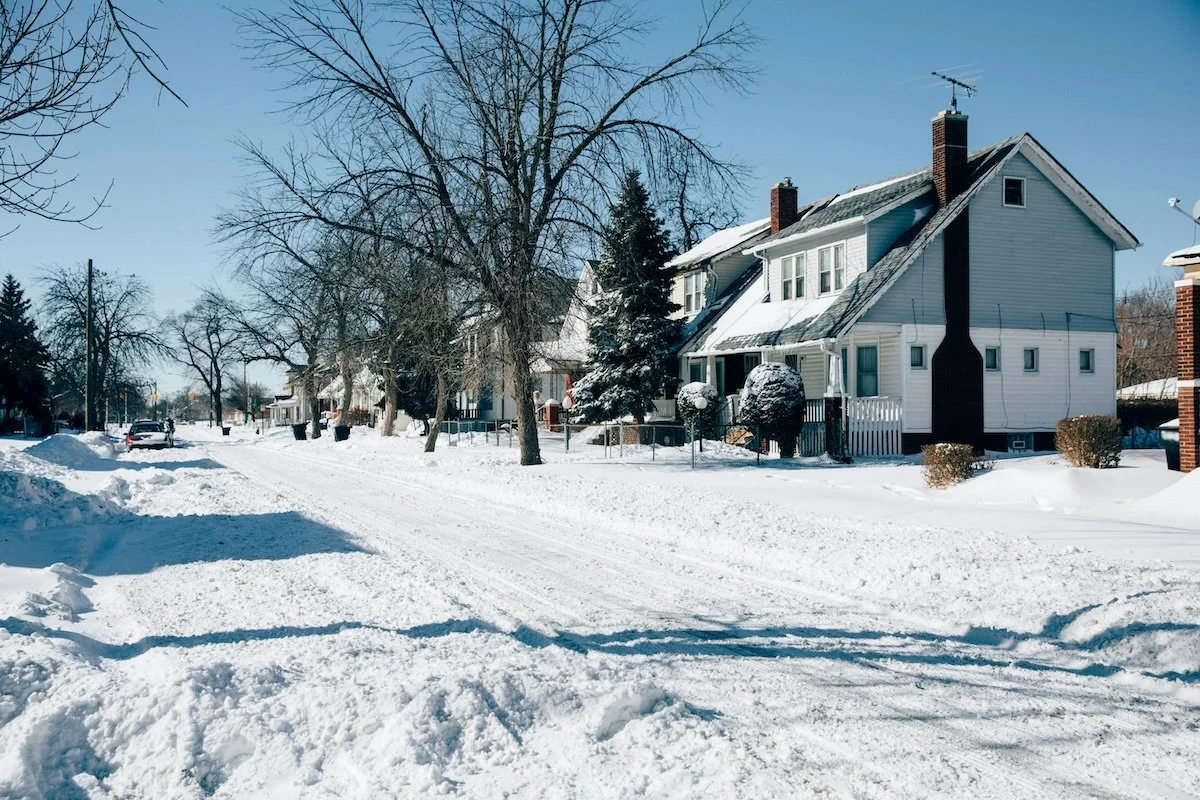
When you’re buying a home, selling a home, or simply trying to make your indoor air healthier, radon is bound to be on your mind. It’s a common concern for Tennesseans, and for good reason—high radon levels can pose a serious health risk. Maybe you’ve already had a test done and gotten a reading back that came up high. But here’s the thing: that number only captures your radon levels at one point in time.
The truth is, a radon level isn’t constant. Just like temperature or humidity, the amount of radon gas inside your home changes with the seasons, the weather, and even your daily routines. Knowing how and when those changes happen can give you peace of mind—and help you decide when to test and what, if any, radon mitigation steps to take to keep your family safe.
When Are Radon Levels Highest During the Year? Cold Winter Months.
The most common pattern is that radon levels in your home are highest in the winter months.
A few factors are at play here: 1.) In cold weather, we naturally keep windows and doors closed, limiting fresh air circulation. 2.) At the same time, heating systems create what’s known as the stack effect: warm air rises and escapes through the top of the home, pulling radon gas upward from the soil and foundation.
With less ventilation and more suction, radon concentrations indoors often climb higher than average during the winter months.
Does that Mean that Radon Isn’t a Problem in Summer?
Nope, that doesn’t mean summer is completely safe. While winter is usually the peak season for average radon levels, summer can still produce short-term spikes in radon concentrations, resulting in higher-than-average levels.
Heavy rainfall can saturate the ground, trapping radon underground until it seeps into the house. Changes in air pressure during summer storms can also push radon through crawl spaces and basement cracks. While winter is usually the peak season, summer can still produce short-term spikes in radon concentrations.
Can My Radon Be Worse in Summer Than It Is In Winter?
A lot of homeowners ask: Is radon worse in summer or winter? The short answer is winter typically produces higher radon levels because homes are sealed tight against the cold. However, the long answer is more nuanced, and your summer levels may be elevated.
Every house is different. Soil conditions, crawl space design, HVAC use, and even how often you open windows all influence radon exposure. That’s why professionals recommend testing in both winter and summer at least once. Seasonal testing shows how your home behaves year-round, instead of relying on a single snapshot.
The Daily Radon Level Fluctuations You Might Not Notice
Radon doesn’t just shift with the seasons—it also changes throughout the day. Here are a few everyday factors that can influence radon concentrations:
Opening windows or doors: Ventilation can temporarily lower radon levels, but the levels tend to climb back once you close the windows.
Running HVAC systems: Heating, cooling, and even fans affect how air moves through your home and how much radon is pulled inside.
Rain, snow, or storms: Heavy weather can trap radon underground and then release it in bigger bursts into your living space.
Because radon levels fluctuate so much, a one-day test may not give the full picture. Long-term professional radon tests—or better yet, continuous radon monitors—help you understand the average levels in your home and catch any unexpected spikes.
Why Regular Radon Testing and Mitigation Matter
Since radon levels can rise and fall with cold weather, summer storms, or daily habits, the best protection is regular testing or a reliable, trusted home monitoring device. The EPA recommends testing every two years, but it’s wise to check in both winter and summer at least once. Continuous monitoring is even better if you want to stay on top of daily changes.
If testing shows elevated radon levels, the next step is installing a radon mitigation system. Professional radon mitigators, like The Radon Guys, design systems that vent radon gas safely outside, keeping your home at healthier concentrations no matter the season.
Protect Your Home from Radon Exposure With The Radon Guys
Radon exposure isn’t a one-and-done issue or limited to a specific season. It’s a year-round concern. Regular testing and professional mitigation are the best ways to safeguard your home and family. The Radon Guys offer expert mitigation services to keep your home safe all year long. Schedule a consultation today!