Does Your HVAC System Spread Radon? What Homeowners Should Know
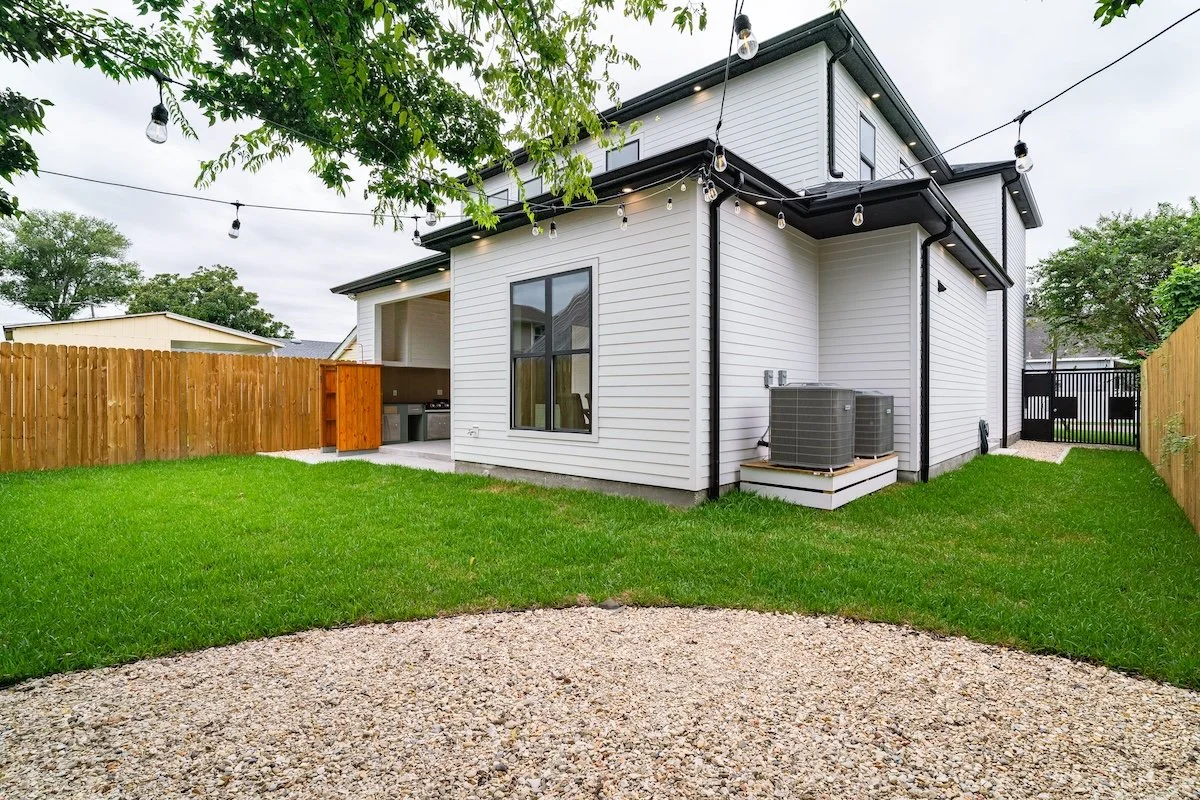
If you’ve spotted an elevated radon reading in your home, it’s natural to wonder whether your furnace or air conditioner is making the problem worse, or whether a simple HVAC visit could fix it. Neither assumption is quite right. Your HVAC system does interact with the air in your home in ways that can affect radon levels, but it’s not designed to monitor or remove radon.
Here’s what HVAC systems actually do (and don’t do) when it comes to radon, and where to turn for a real solution.
What Is Radon and How Does It Enter Homes?
Radon is an invisible, odorless gas released by decaying radium in the ground. This radioactive gas rises from the soil and enters homes through vulnerabilities like foundation cracks, gaps around piping, and crawlspaces.
Long-term exposure to high levels of radon (above 4.0 pCi/L) can lead to serious health issues, including lung cancer. Measuring your home’s radon levels and addressing anything elevated is crucial to protecting your indoor air quality and long-term health.
Understanding the Link Between HVAC Systems and Radon
Because radon moves through the air, it’s common for homeowners to wonder if their HVAC system affects their radon levels. The truth is more nuanced than a simple yes or no. Here’s what you need to know about HVACs and radon.
Does an HVAC person check radon?
No. HVAC technicians typically don’t check for radon during a standard service visit. Radon testing is usually performed by a certified radon professional, like The Radon Guys, though some indoor air quality or HVAC companies may offer radon testing as an additional service.
If you want to know what your radon levels are, you can perform a test yourself or reach out to The Radon Guys for professional radon testing in Nashville.
Does an HVAC spread radon in the air?
Technically, radon can run through an HVAC system. Once radon is inside your home, a forced-air system can circulate that air, including any radon it carries, from room to room through the ductwork. But your HVAC system doesn’t create radon or “spread” it the way dust might spread from a single source. Your HVAC simply moves whatever is already in the air throughout the house.
Because most standard heating and cooling systems recirculate the air that’s already inside your home rather than drawing in fresh air from outside, HVAC systems usually aren’t the reason radon levels are high. Negative pressure and the stack effect are typically the bigger culprits. Once radon does get pulled in, though, your HVAC system will circulate it throughout the house.
Does an HVAC reduce radon?
No, a standard HVAC system doesn’t reduce radon.
Your furnace or AC may move air around your home, but it is not designed to remove radon gas. While your HVAC system circulates air (and the radon in it), it doesn’t push the air outside, which is a crucial step in reducing radon levels. However, certain HVAC upgrades can help when paired with the right radon mitigation strategy.
HVAC Upgrades and Radon Mitigation
Some HVAC-related upgrades — like Energy Recovery Ventilators (ERVs), Heat Recovery Ventilators (HRVs), or dedicated fresh-air intake systems — can help lower indoor radon levels by bringing in more fresh air and increasing overall air exchange. However, they usually aren’t the primary or most reliable fix.
ERVs and HRVs
ERVs and HRVs work best as complements to a dedicated radon mitigation system, not as replacements for one. Sealing cracks can help reduce radon entry, too, but if your test results show elevated radon, a certified sub-slab mitigation system is the only radon-reduction method proven to reliably minimize levels. However, ERVs are also used when traditional mitigation simply isn’t possible.
Breathe EZ Filters
Breathe EZ filters are another great upgrade that integrates seamlessly with your existing HVAC system. These filters are installed in place of the normal air return filter and are specifically designed to remove radon decay products (RDPs), which a traditional filter can’t. The Breathe EZ Air Cleaner is a simple and effective way to further reduce your radon levels and the risk of radon exposure, since RDPs are what actually “stick” to lungs.
How Radon Mitigation Actually Works
A radon mitigation system works by reversing the forces that pull radon into your home in the first place. In many homes, that means a sub-slab depressurization system, which creates a small suction point beneath the foundation (or beneath a sealed vapor barrier in a crawlspace) that connects to a dedicated radon fan and vent pipe. The fan runs continuously to create negative pressure under the foundation, drawing radon and other soil gases away from your living space and venting them safely above the roofline.
That’s why mitigation, not ventilation, is the only method proven to solve a radon problem. HVAC upgrades and fresh-air systems work on air that’s already inside your home, while a mitigation system addresses radon before it ever enters your home.
Let The Radon Guys Solve It the Right Way
Your HVAC system isn't designed to address radon, but The Radon Guys are. If you're seeing elevated radon levels, our certified team can design and install a mitigation system that actually solves the problem at the source. Contact us today to schedule a consultation.